Home Host a Retreat Nervous System Reset Plant Medicine Women's Healing Hosting Guides Join a Retreat All Upcoming Why Casa Arkaana The Land The Space Permaculture Food About Our Story Sustainability Location FAQ Journal Contact
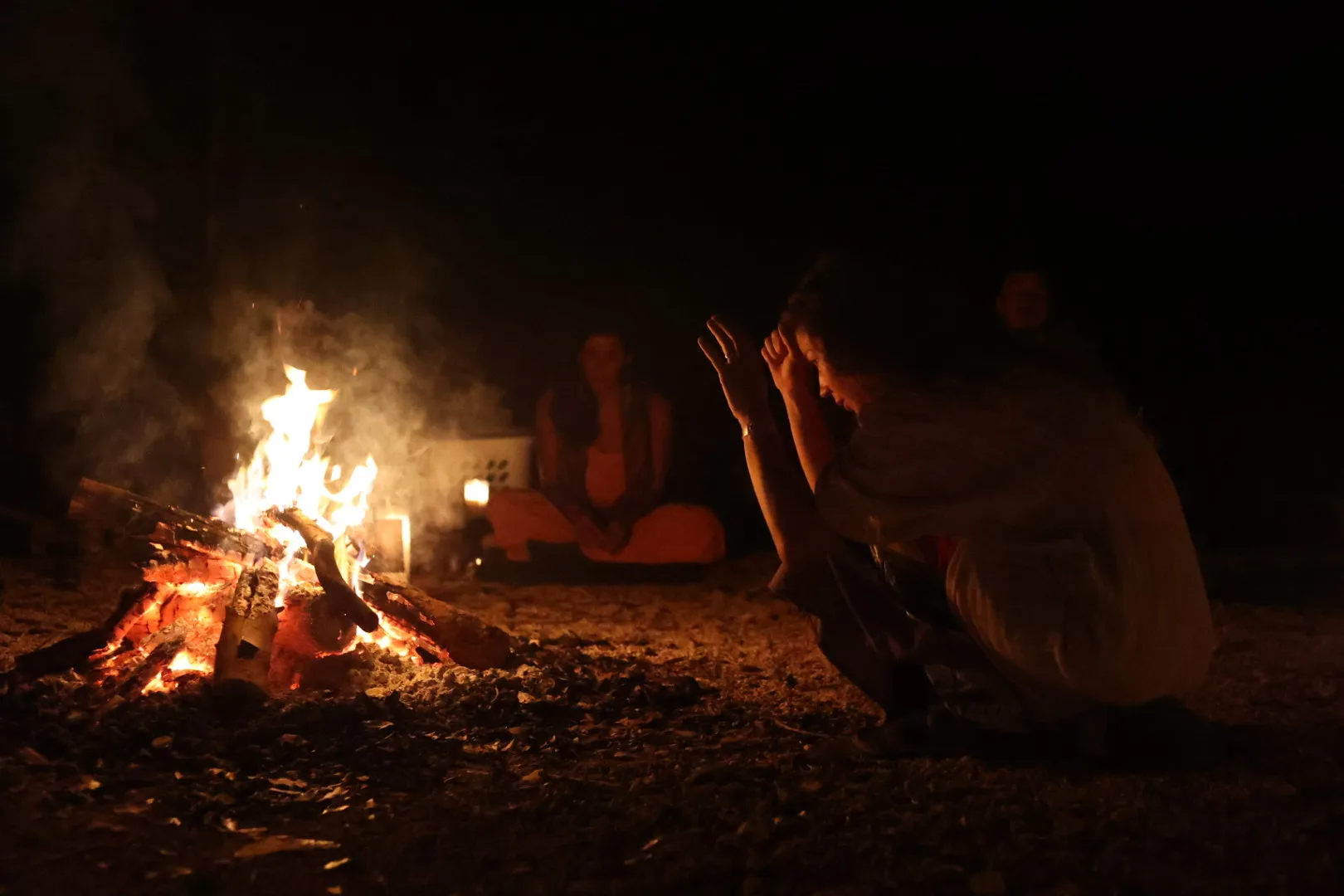
Filiberto Paritsika Carrillo leading a Wixárika ceremony — hands raised around the sacred fire
Ceremony · Casa Arkaana

A Traditional Wixárika Ceremony

With Mara'akame Filiberto Paritsika Carrillo · August 1, 2026 · Chemuyil

Limited spots · $2,000 MXN
Filiberto Paritsika Carrillo dirigiendo una ceremonia Wixárika — manos alzadas alrededor del fuego sagrado
Ceremonia · Casa Arkaana

Una Ceremonia Tradicional Wixárika

Con el Mara'akame Filiberto Paritsika Carrillo · 1 de agosto, 2026 · Chemuyil

Lugares limitados · $2,000 MXN

The Sacred Plant

La Planta Sagrada

Hikuri — the cactus that remembers.

"Hikuri is not a substance. It is an ancestor. A living intelligence that has walked with the Wixárika since before memory."

Hikuri — what the world calls peyote — is a small cactus that grows in the sacred desert of Wirikuta, in San Luis Potosí. For the Wixárika people, it is not a medicine in the Western sense. It is a relative. A teacher. At the sacred heart of their cosmology — held in ceremony around Tatewari, the Grandfather Fire.

Held in ceremony under the guidance of a Mara'akame — a shaman-priest who has walked the path for years — Hikuri offers purification, deep inner clarity, a quieting of the noise that has accumulated, and a return to something essential in yourself.

This is not a recreational experience. It is a sacred act. Come with an intention, and the medicine will meet you.

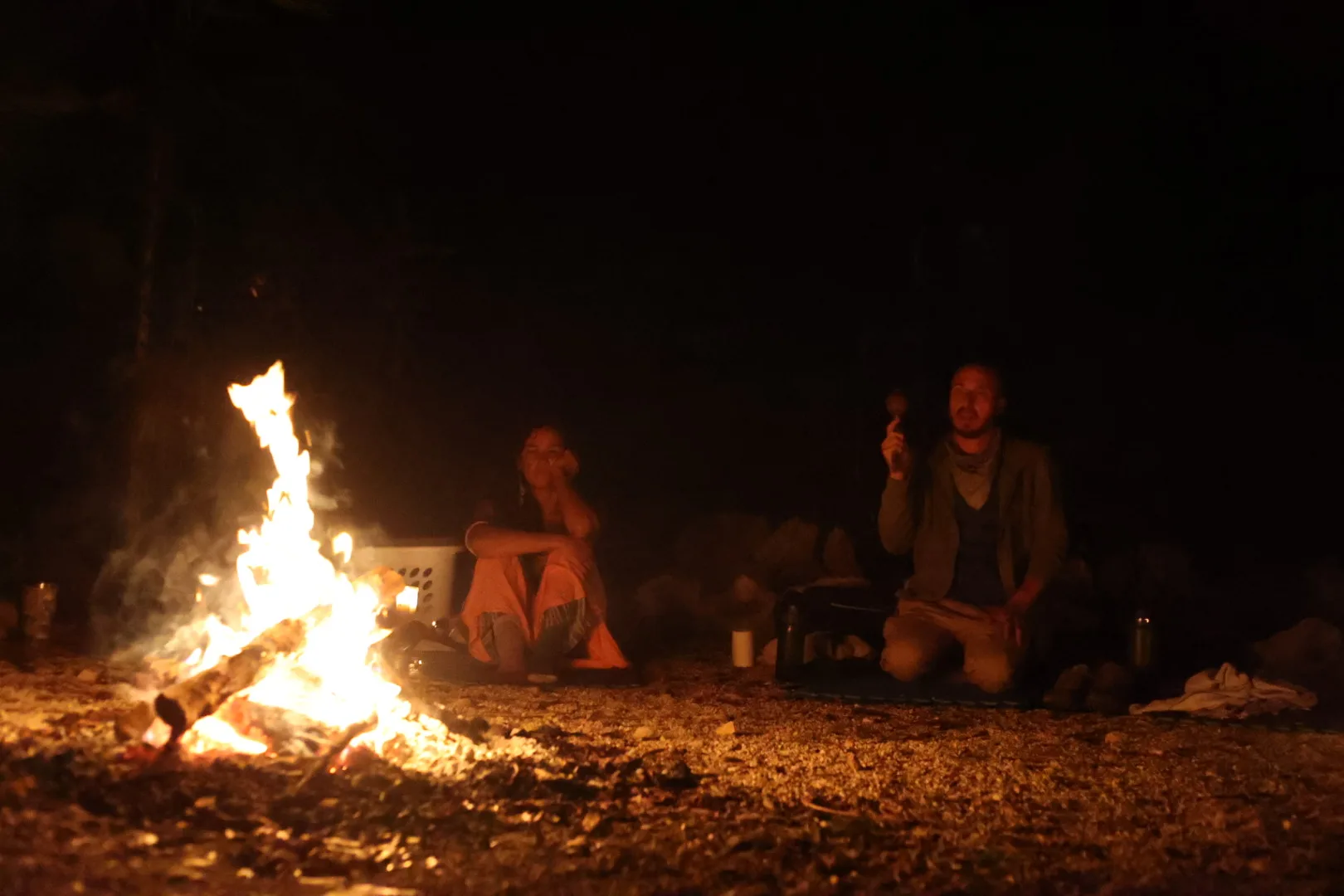
Two people around the sacred fire during a Wixárika ceremony

How the Night Unfolds

Cómo se Desarrolla la Noche

From dark to dawn.

9–10pm

The Circle Opens

We gather outdoors around Tatewari — the Grandfather Fire. Filiberto opens the ceremonial space, invoking Fire, Air, Water, Earth, Rain, Sea, Sky, and Kauyumarie, the Blue Deer.

Through the night

Songs and Cleansings

The Mara'akame leads traditional Wixárika songs throughout the night. Five times, he moves through the circle performing energetic cleansings — a direct, hands-on transmission of lineage work.

Before 6am

Speaking to the Fire

The most sacred moment of the ceremony. One by one, each participant approaches Tatewari to speak — releasing what no longer serves, naming what they are ready to carry forward.

Sunrise

The Birth of a New Day

The ceremony closes as the first light arrives. We share fruits together, held in the quiet that follows a night of deep work. You leave different from how you arrived.

9–10pm

El Círculo se Abre

Nos reunimos al aire libre alrededor de Tatewari — el Abuelo Fuego. El Mara'akame Filiberto abre el espacio ceremonial, invocando a los espíritus guardianes y los elementos.

Durante la noche

Cantos y Limpias

El Mara'akame conduce cantos Wixáritari tradicionales a lo largo de la noche. Cinco veces recorre el círculo realizando limpias energéticas — una transmisión directa y presencial del trabajo de linaje.

Antes de las 6am

Hablar con el Fuego

El momento más sagrado de la ceremonia. Uno por uno, cada participante se acerca a Tatewari para hablar — soltando lo que ya no sirve, nombrando lo que están listos para cargar hacia adelante.

Amanecer

El Nacimiento de un Nuevo Día

La ceremonia cierra con la llegada de la primera luz. Compartimos frutas juntos, sostenidos en el silencio que sigue a una noche de trabajo profundo. Sales distinto a como llegaste.

The Guides

Los Guías

Lineage carried in living hands.

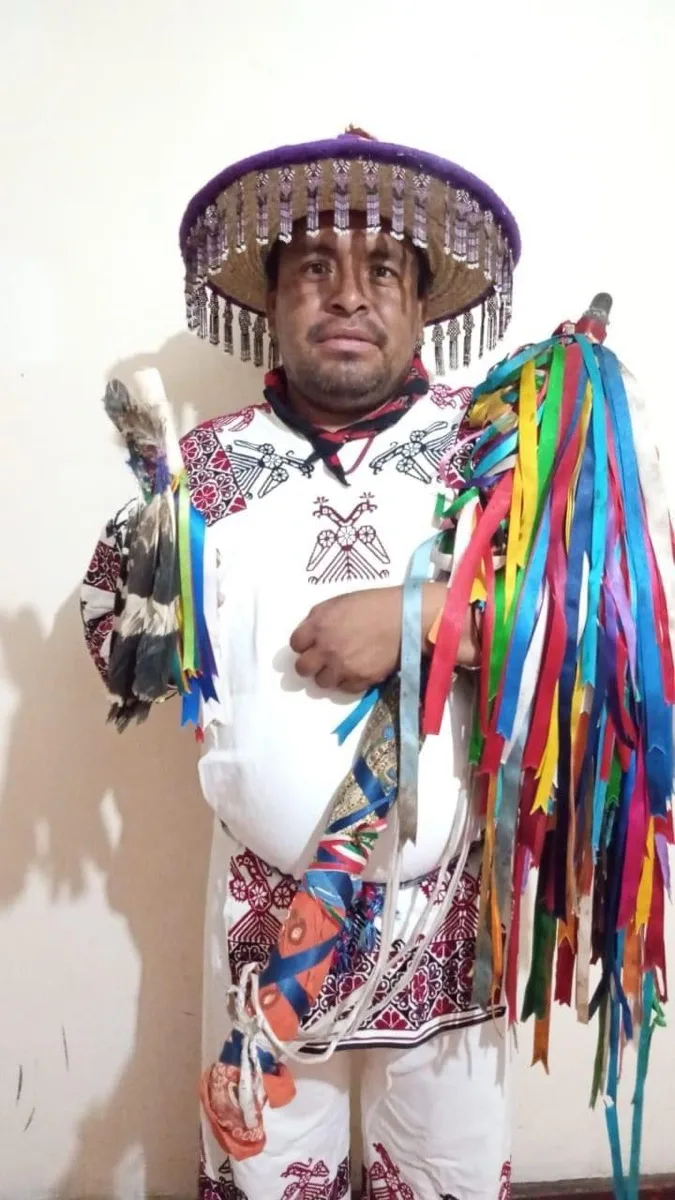
Filiberto Paritsika Carrillo in full Mara'akame ceremonial attire

Mara'akame Cahuitero

Filiberto Paritsika Carrillo

San Andrés Cohamiata · Sierra de Jalisco

Former governor of his community. Filiberto carries the living lineage of the Wixárika — the unbroken thread of ceremony passed from elder to elder since ancestral times. As a Mara'akame Cahuitero, he holds the space between worlds.

During the ceremony, he performs cristalizaciones — an act of deep energetic work in which he extracts what harms (envy, mal de ojo, witchcraft, gestating illness), concentrates it, and converts it into a crystal. Each cristalización is offered one by one, in presence.

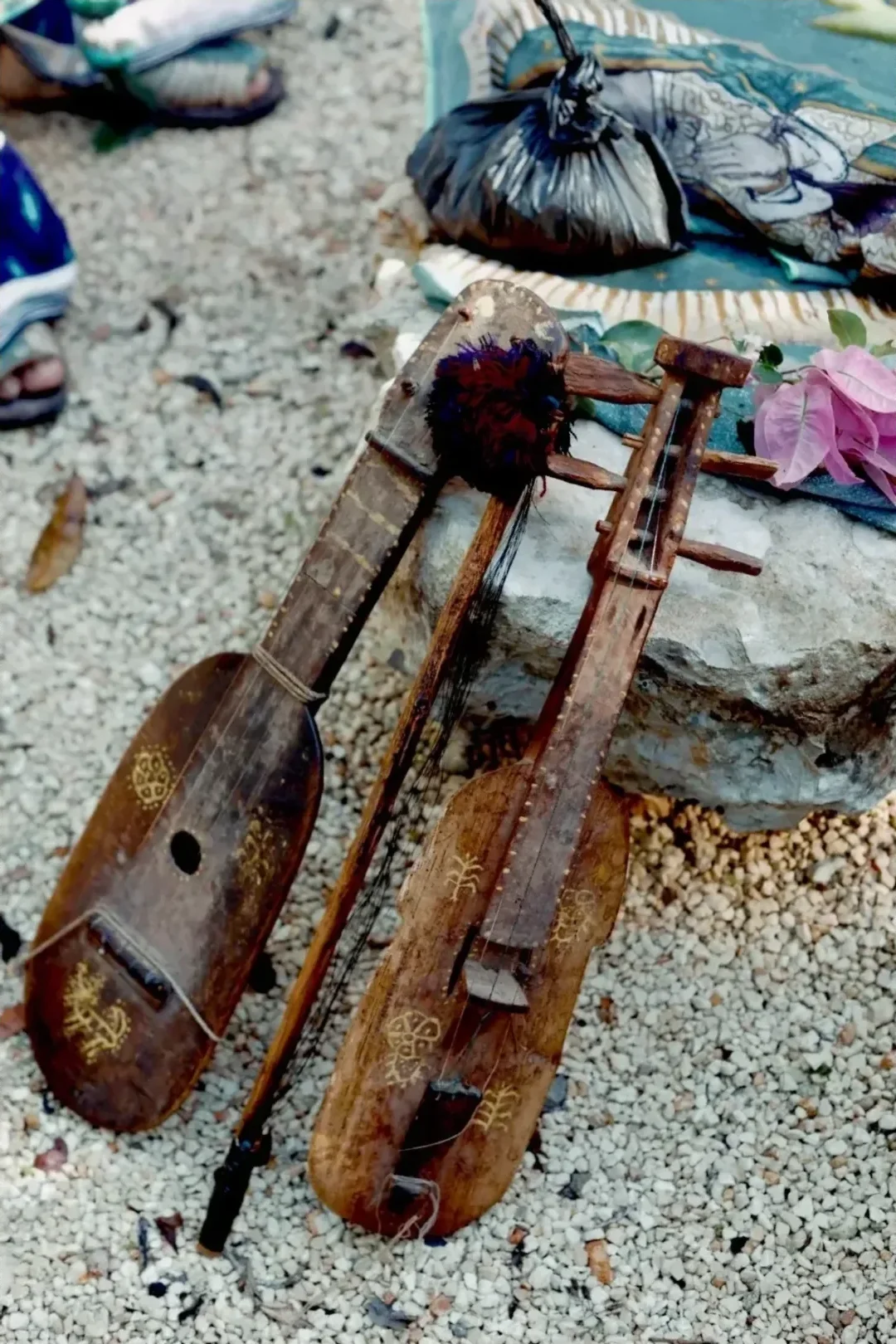
Traditional Wixárika instruments used in ceremony

Traditional Musician

Músico Tradicional

Edgar de la Cruz

San Andrés Cohamiata · Sierra de Jalisco

One of the finest traditional musicians from San Andrés Cohamiata. Edgar's music is not performance — it is the sonic architecture of the ceremony itself. Through the night, his playing holds the container, guides the energy, and marks the sacred transitions from one phase to the next.

In Wixárika tradition, music and ceremony are inseparable. Sound is how the prayers move, how the fire speaks, how Kauyumarie — the Blue Deer — is called.

Healing Work

Trabajo de Sanación

Cristalizaciones

A cristalización is one of Filiberto's most distinctive practices — a form of energetic extraction rooted in Wixárika healing tradition. He locates what does not belong: envy sent your way, evil eye, witchcraft, or illness still forming before it takes hold. He concentrates it, works with it, and converts it into a crystal — made visible, made removable.

During the ceremony, Filiberto moves through the circle and offers cristalizaciones one by one to those who want to receive. They are also available separately the morning after, for those who did not attend the ceremony.

Cristalizaciones are optional and completely separate from the ceremony price. $500 MXN paid directly to Filiberto. Available during the ceremony and the following day.

Preparation

Preparación

How you arrive matters.

The preparation is not a restriction. It is the beginning of the ceremony — the way you signal to the plant and to yourself that this is real, and that you are ready.

5 days before

Minimum 3 days, ideally 5. Avoid:

  • Alcohol
  • Recreational drugs
  • Red meat and pork
  • Heavy, processed, or salted foods — eat light and clean
  • Stimulants: caffeine, energy drinks, pre-workouts
  • Alcohol
  • Drogas recreativas
  • Carnes rojas y cerdo
  • Alimentos pesados, procesados o salados — come ligero y limpio
  • Estimulantes: cafeína, bebidas energéticas, pre-entrenos

Day of ceremony

  • Fast or eat a very light meal at least 6 hours before — Hikuri causes nausea; an empty stomach helps the medicine move
  • No cannabis — it amplifies the medicine in ways that are difficult to navigate
  • Arrive clean — showered, clear mind, clear intention
  • Ayuna o come muy ligero al menos 6 horas antes — Hikuri provoca náuseas; el estómago vacío ayuda a que la medicina fluya
  • Sin cannabis — amplifica la medicina de formas difíciles de navegar
  • Llega limpio — bañado, mente clara, intención clara

3 days before & after

Sexual continence — 3 days before and 3 days after the ceremony. This is a traditional Wixárika protocol for preserving the energy the ceremony opens.

Set a clear intention before you arrive. What are you ready to release? What are you ready to remember?

Medications

Some medications interact with Hikuri. If you take any of the following, speak with Filiberto and your doctor before reserving your place:

  • Lithium — do not combine under any circumstances
  • Antipsychotics (quetiapine, olanzapine, risperidone, haloperidol) — will block the medicine; stopping them unsafely is also dangerous
  • SSRIs / antidepressants (Prozac, Zoloft, Lexapro, Effexor) — may reduce the ceremony's effects; a tapering timeline with your doctor is needed
  • Prescription stimulants (Adderall, Ritalin, Vyvanse) — cardiovascular risk; do not take on ceremony day
  • Litio — no combinar bajo ninguna circunstancia
  • Antipsicóticos (quetiapina, olanzapina, risperidona, haloperidol) — bloquearán la medicina; suspenderlos de forma insegura también es peligroso
  • ISRS / antidepresivos (Prozac, Zoloft, Lexapro, Effexor) — pueden reducir los efectos de la ceremonia; se necesita un plan de reducción gradual con tu médico
  • Estimulantes prescritos (Adderall, Ritalin, Vyvanse) — riesgo cardiovascular; no tomar el día de la ceremonia

What to Bring

Qué Traer

Prepare your circle.

Light long clothing, a warm layer, and a blanket — the jungle cools through the night

Yoga mat or sleeping bag to sit and lie on

A glass candle (veladora de vaso)

A personal altar — crystals, images, whatever feels right

Objects representing your work, home, and family: photos, ID, keys, car keys, projects

Seeds (beans, corn, lentils) to offer to Tatewari — the Grandfather Fire

Three Mexican coins of different denominations (1, 2, 5, or 10 pesos) for the altar — choose the ones with the eagle on one side

Personal water and/or juice to take the medicine

Light snacks: nuts, pistachios, raisins, dried fruits, crackers

A headlamp

Mosquito repellent

Fresh fruits to share in the morning

Flowers for the altar (optional)

Ropa ligera y larga, una capa abrigadora y una cobija — la temperatura baja durante la noche en la selva

Tapete de yoga o sleeping bag para sentarse y recostarse

Una veladora de vaso

Un altar personal — cristales, imágenes, lo que sientas correcto

Objetos que representen tu trabajo, hogar y familia: fotos, identificación, llaves, llaves del coche, proyectos

Semillas (frijol, maíz, lentejas) para ofrecer a Tatewari — el Abuelo Fuego

Tres monedas mexicanas de diferentes denominaciones (1, 2, 5 o 10 pesos) para el altar — elige las que tienen el águila en uno de los lados

Agua personal y/o jugos para tomar la medicina

Snacks ligeros: nueces, pistaches, pasas, frutas deshidratadas, galletas

Una linterna frontal

Repelente de mosquitos

Frutas frescas para compartir en la mañana

Flores para el altar (opcional)

After the ceremony — a woman receives flowers at sunrise

Reserve Your Place

Reserva tu Lugar

Ready to enter the circle?

This is an intimate ceremony of 12 people. Reserve your place via WhatsApp.

Reserve via WhatsApp

$2,000 MXN  ·  Saturday August 1 · 9pm through sunrise  ·  Casa Arkaana, Chemuyil
|